
How Broadway Uses Theatre Curtains to Set the Scene
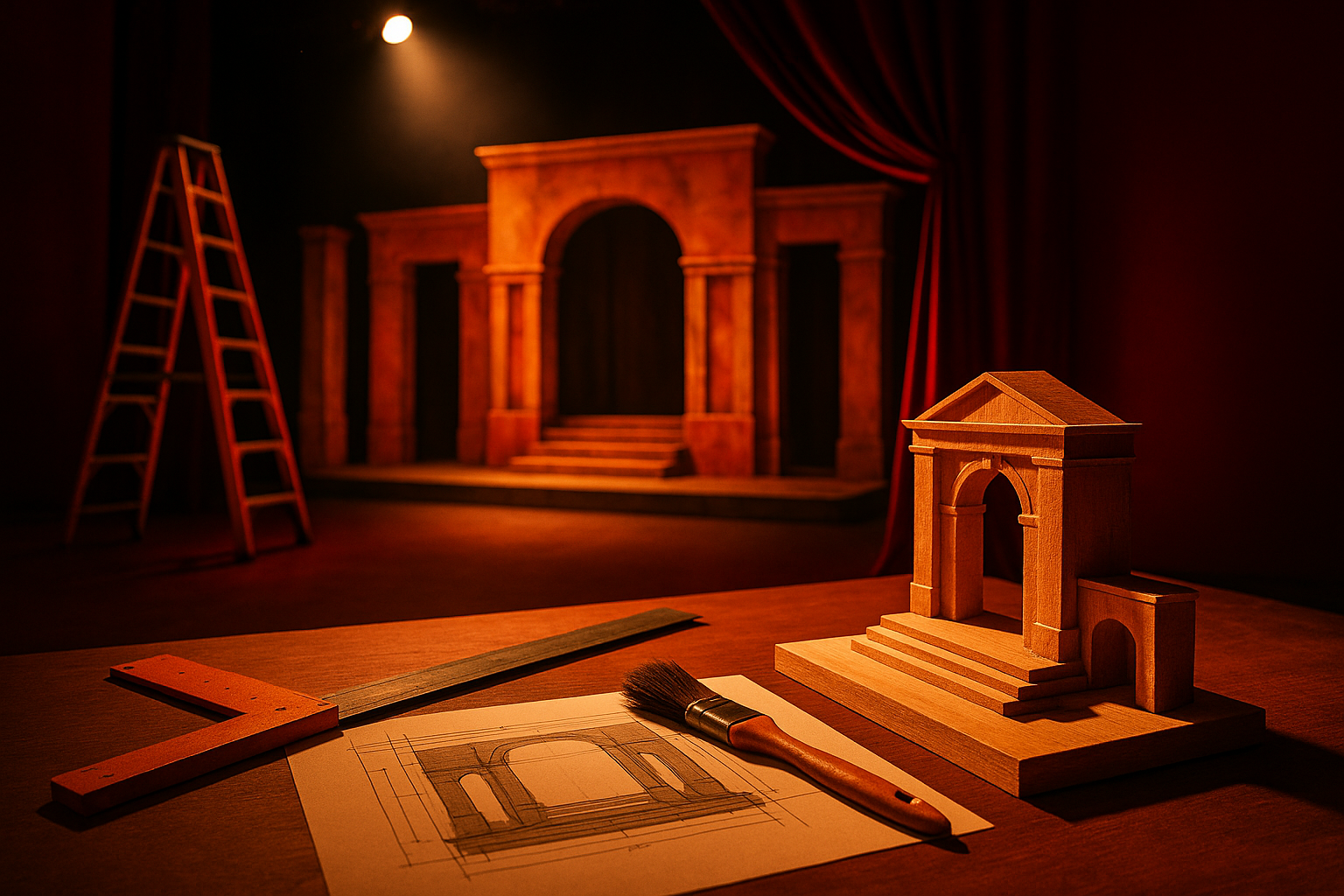
Scenic design in theatre is the craft of transforming empty stages into living worlds—using a blend of creativity, technical skill, and practical solutions. Today’s designers balance tradition with innovation, embracing new materials, technology, and sustainable practices to create sets that are both visually stunning and functional. Whether you’re working in a grand West End venue or a black box studio, mastering scenic design means making every element serve the story and the audience’s experience.
At Cover It Up, we’ve worked with theatre producers and designers across London to bring their visions to life through expert drape hire and bespoke backdrop solutions.
Why Scenic Design Matters More Than Ever in Modern Theatre
Think of the last time you sat in a theatre, waiting for the curtain to rise. Before the first line is spoken, the set has already told you something about the world you’re entering—its mood, its era, its possibilities. In today’s competitive arts scene, scenic design isn’t just background; it’s a storytelling tool, a marketing asset, and often the deciding factor in how audiences remember your production.
Scenic design shapes audience expectations before the first line is spoken. Theatre producers and designers know that a set can transport viewers to another world, support an actor’s performance, and even solve practical challenges—like hiding quick changes or managing sightlines in tricky venues. In modern theatre, design choices also reflect a production’s values: Are you using recycled materials? Are your backdrops flexible for touring shows? These decisions signal your professionalism and care for both art and audience.
The Core Principles Every Scenic Designer Swears By
If you’re new to scenic design in theatre, you might feel overwhelmed by technical jargon and endless fabric swatches. But at its heart, great set design comes down to a few core principles:
- Storytelling First: Every visual choice should serve the narrative. Ask, “What world are we building?”
- Functionality: Sets must be safe, practical, and easy to change or move, especially in fast-paced theatre environments.
- Collaboration: Scenic designers work closely with directors, lighting designers, and riggers to ensure a seamless production.
- Budget Awareness: Creativity thrives on constraints. Finding cost-effective materials and hire solutions is part of the job.
- Sustainability: Modern theatre values eco-friendly choices, from reusable drapes to energy-efficient rigging.
It’s easy to get caught up in aesthetics, but practical considerations often define what’s possible. Imagine you’re designing for a touring production: your set has to fit into a van, be quick to assemble, and withstand nightly use. Or, in a historic theatre, you might be limited by listed building regulations—no drilling into the walls! The best scenic designers are problem-solvers, turning constraints into creative opportunities. For example, using modular drape systems allows you to transform spaces without permanent fixtures, making them ideal for both temporary and heritage venues.
Balancing Tradition and Innovation: What’s Changing in Scenic Design?
Theatre has always borrowed from its past, but today’s scenic design in theatre is more innovative than ever. Here’s what’s driving change:
- Digital technology: Projection mapping, LED walls, and automated rigging are now standard in many productions. These tools allow for dynamic, interactive sets that respond to actors or audience cues.
- Sustainable practices: There’s a growing demand for eco-friendly set materials—think recycled fabrics, modular staging, and drapes that can be reused across productions.
- Flexible installations: With more pop-up events and immersive theatre experiences, designers need solutions that adapt to unconventional spaces. Modular drape systems and bespoke backdrops are on the rise.
For instance, Cover It Up recently worked with a London-based immersive theatre company to transform an empty warehouse into a 1920s speakeasy. Instead of traditional flats, they used layered velvet drapes and intelligent lighting to create a sense of depth and luxury—without a single permanent fixture. This approach not only saved on build costs but also made the entire production more sustainable.
Choosing Materials that Work Onstage and Off
When you’re staring at a pile of fabric samples or scrolling through hire catalogues, it’s easy to feel lost. The material you choose isn’t just about looks—it affects everything from rigging safety to how your set photographs under stage lights. Here’s what seasoned designers look for:
- Durability: Theatre drapes and set pieces take a beating. Opt for flame-retardant, hard-wearing fabrics that can survive touring or long runs.
- Versatility: Can you use this material for multiple types of shows, or reconfigure it for different venues?
- Weight: Heavy materials may look luxurious but are harder to rig and transport. Lightweight options can save time and money, especially for touring companies.
- Acoustic properties: Some fabrics absorb sound, others reflect it. Your choice can shape the audience’s experience without them even knowing.
A designer at a touring Shakespeare company shared, “We switched to modular drape panels from Cover It Up for our last production. They’re light, pack flat, and we could adjust them to fit any venue. We saved hours on setup, and the set always looked polished.”
When selecting backdrop colours, understanding the psychological impact of theatre backdrop colors can help you create the right emotional tone for your production.
Step-by-Step: How to Build a Cohesive Scenic Design for Modern Theatre
Designing a set that works for today’s audiences isn’t about following a formula, but there’s a proven process that helps:
- Start with the script: Read it multiple times. Make notes on mood, location, and any practical needs (trapdoors, flying effects, etc.).
- Collaborate early: Meet with directors, lighting, and sound designers before you sketch a single idea. This avoids costly rework later.
- Visit the venue: Every space has its quirks—uneven floors, limited rigging points, awkward sightlines. Sketch the space and take measurements.
- Create mood boards: Gather references, fabric swatches, and lighting ideas. This helps everyone align on visual tone.
- Mock up the design: Use 3D models, sketches, or even cardboard scale models to test ideas.
- Plan for logistics: Factor in load-in times, storage, and how easily the set can be assembled and struck.
- Test with lighting: Some materials look very different under stage lights. Always run tests before committing.
- Document everything: Keep notes, diagrams, and contact details for suppliers handy for troubleshooting.
It’s one thing to read these steps, but the real magic happens in the details. For example, during a West End revival, the production team discovered their original velour backdrop clashed with new LED lighting. By testing with different drape samples, they found a fabric that maintained richness in both warm and cool tones—saving the set from looking flat on opening night.
Avoiding Common Mistakes: Lessons from the Field
Every designer has a war story about sets that looked perfect on paper, but fell apart in practice. Here are some mistakes to watch out for—and how to avoid them:
- Ignoring venue constraints: Always check rigging points, fire regulations, and access routes before finalizing your design.
- Overcomplicating the concept: Simple, flexible designs are easier to adapt if plans change (and they always do).
- Underestimating setup time: If your set takes hours to assemble, you’ll eat into precious rehearsal time and stress out your crew.
- Choosing the wrong materials: Cheap fabrics may look good under work lights, but can wash out or fray under stage conditions.
- Neglecting collaboration: When set, lighting, and costume designers don’t communicate, the end result often feels disjointed.
As one technical manager for a touring musical put it, “We once built a beautiful set that was too large for half our venues. We ended up leaving parts of it in the van! Now, we always check venue specs before we start building.” It’s a reminder that experience often comes from making—and learning from—mistakes.
If you’re working on a smaller budget, our guide to DIY theatre backdrops offers cost-effective solutions that don’t compromise on quality.
When to Hire, When to Build: Making Smart Choices for Your Production
With so many drape hire and bespoke fabrication options available, deciding whether to rent or buy can feel daunting. Here’s a quick guide to help you choose:
Scenario | Hire (Drape/Set) | Build/Bespoke |
|---|---|---|
One-off events | ✔ Cost-effective | ✗ Costly for single use |
Touring productions | ✔ Easy to adapt, portable | ✗ May not survive touring |
Long-running shows | ✗ Hire costs add up | ✔ Investment pays off |
Highly specific requirements | ✗ Limited by inventory | ✔ Fully tailored |
Tight timeline | ✔ Immediate availability | ✗ Build takes time |
In practice, many designers use a mix: hiring standard drapes for most needs, then commissioning custom pieces for showstopping moments. This approach keeps costs down while ensuring your vision is fully realised.
A designer for a major corporate gala shared, “We hired starcloth drapes from Cover It Up for the main stage, then built a bespoke LED archway as a centrepiece. The mix gave us flexibility and a wow factor, without blowing the budget.”
Once you’ve made your material decisions, proper installation of stage curtains is essential to ensure safety and visual impact.
How to Future-Proof Your Scenic Design: Sustainability and Reuse
Sustainability isn’t a buzzword—it’s quickly becoming a requirement, especially for grant-funded and public productions. Here’s how you can make your designs greener without sacrificing impact:
- Modular components: Design sets so they can be broken down and reused in future shows.
- Recycled materials: Use reclaimed timber, recycled fabrics, or second-hand props where possible.
- Efficient rigging: Choose solutions that minimize waste and reduce energy use during setup and teardown.
- Partner with suppliers: Work with companies like Cover It Up that offer reusable drape hire, cutting down on single-use builds.
- Document for repurposing: Keep clear records of sizes and materials so elements can be easily adapted later.
A West End producer told us, “By reusing modular drapes and flats for multiple productions, we cut our materials cost by 30% over two years. Audiences never noticed—the sets always felt fresh.” Sustainable design isn’t just good for the planet; it’s good for your bottom line.
Frequently Asked Questions
Q: What is scenic design in theatre?
A: Scenic design in theatre is the art and practice of creating the physical environment on stage, using sets, drapes, props, and visual effects to support the story and immerse the audience.
Q: How do I choose the right materials for my set?
A: Choose materials based on durability, versatility, weight, and how they interact with lighting and sound. Flame-retardant, hard-wearing fabrics are ideal for most theatre sets.
Q: Is it better to hire or build scenic elements?
A: Hiring is cost-effective for one-off or touring shows, while building bespoke pieces makes sense for long runs or unique requirements. Many productions use a mix of both.
Q: What’s the role of sustainability in modern scenic design techniques?
A: Sustainability is increasingly important—using modular, reusable, and recycled materials reduces waste and can save costs over time while meeting industry expectations.
Q: How does scenic design impact the overall production?
A: Scenic design sets the mood, supports the actors, and shapes the audience’s experience. Smart design choices can solve practical challenges and elevate the impact of any show.
A Scenic Designer’s Quick-Reference Checklist
When you’re deep in the design process and deadlines are looming, clarity is your best friend. Here’s a checklist to keep your scenic design on track:
- Have you aligned with the director and tech team on the vision?
- Did you visit the venue and check all technical constraints?
- Are your materials safe, durable, and suitable for your lighting setup?
- Is your design modular or flexible enough for future use?
- Have you confirmed setup and teardown logistics?
- Are sustainability and budget goals met?
Mastering scenic design in theatre means balancing creativity with practical know-how. When your set supports both the story and the team behind it, you’ll create spaces that audiences—and your crew—will remember.
Ready to Bring Your Scenic Design Vision to Life?
Whether you’re planning a West End production, a touring show, or an intimate black box performance, the right drapes and backdrops can transform your vision into reality. At Cover It Up, we specialise in creative, cost-effective drape hire and bespoke backdrop solutions for theatres, events, and productions across London and beyond.
Our team understands the unique demands of scenic design—from tight deadlines to complex rigging requirements. We’ve worked with theatre producers, event planners, and designers to deliver high-impact installations that look stunning under stage lights and stand up to the rigours of live performance.
Get in touch today to discuss your project:
- Explore our drape hire options
- Request a quote for bespoke backdrops
- Speak to our team about your specific requirements
Let’s create something unforgettable together.
Related posts


